How to Count Mixed Denomination Banknotes: A Step-by-Step Guide for Cash Offices
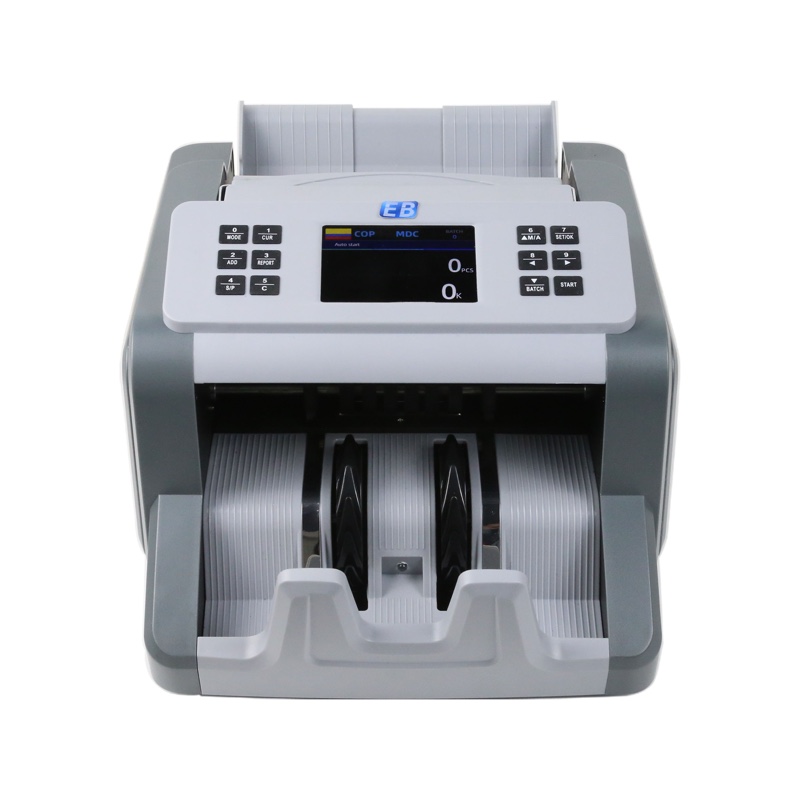
Counting a single denomination is easy. Counting a shoebox of mixed banknotes - different denominations, different currencies, some worn, some freshly banded - is where cash offices lose time and money. Miscounts surface at the worst moment: a branch reconciliation that does not close, an ATM cassette that comes up short, a retail deposit the bank returns. The good news is that mixed-denomination counting is a trainable process, and modern equipment has taken most of the judgment out of it. This guide walks through the workflow our support team recommends to banks, cash-in-transit companies and retail cash offices.
Before You Start: Prepare the Notes, Not Just the Machine
Most counting errors are created before the first note touches the hopper. Work through four preparation steps:
1. Remove bands, clips and staples. Paper bands and staples jam transports and damage rollers. If you band notes after counting, keep the removed bands sorted by bundle so you can reconcile later.
2. Fan and loosen the stack. Newly printed or polymer notes stick together in sheets. Fanning the bundle separates static-clung notes and prevents double-feed rejects, which inflate your count.
3. Pull out-of-range notes. Every counter has a physical envelope. The LD-1910 mixed value counter, for example, accepts notes from 110-180 mm long and 50-90 mm wide, with a thickness between 0.075 and 0.15 mm. Heavily torn, taped or folded notes outside that range should be counted and repaired manually before the machine run.
4. Sort gross damage. Machine counters handle worn circulation well, but notes stuck together in chains confuse the double-feed detection of even good sensors. Split visibly damaged notes into a separate pile.
Step 1: Select the Currency and Counting Mode
Set the machine to the currency you are actually counting. On multi-currency machines like the LD-1910, the wrong currency preset means the denomination library is wrong - the notes will still count as pieces, but the value total will be meaningless. This is the single most common mixed-denomination mistake we see in support tickets.
Then choose the mode. For a true mixed pile, you want mix value counting: the machine recognizes each denomination and adds up the total value in one pass. The LD-1910 does this with a single CIS (contact image sensor) plus UV and MG detection, and it also offers denomination and version sorting, so a teller can split a mixed pile by series in the same run.
Step 2: Use Batch and Add Modes Deliberately
Cash rooms rarely want one giant total; they want standardized bundles. Two functions solve this:
Batch mode lets you preset a number - typically 100 notes - and the machine stops automatically at each batch. You pull a completed bundle, start the next, and every bundle in the drawer is identical. This is how you prepare deposits that a bank vault will accept without re-counting.
Add mode accumulates counts across multiple runs, up to 999 notes on machines like the LD-1910. Use it when one physical pile was too large for the hopper and you need a single total for several consecutive runs.
Step 3: Load and Feed Correctly
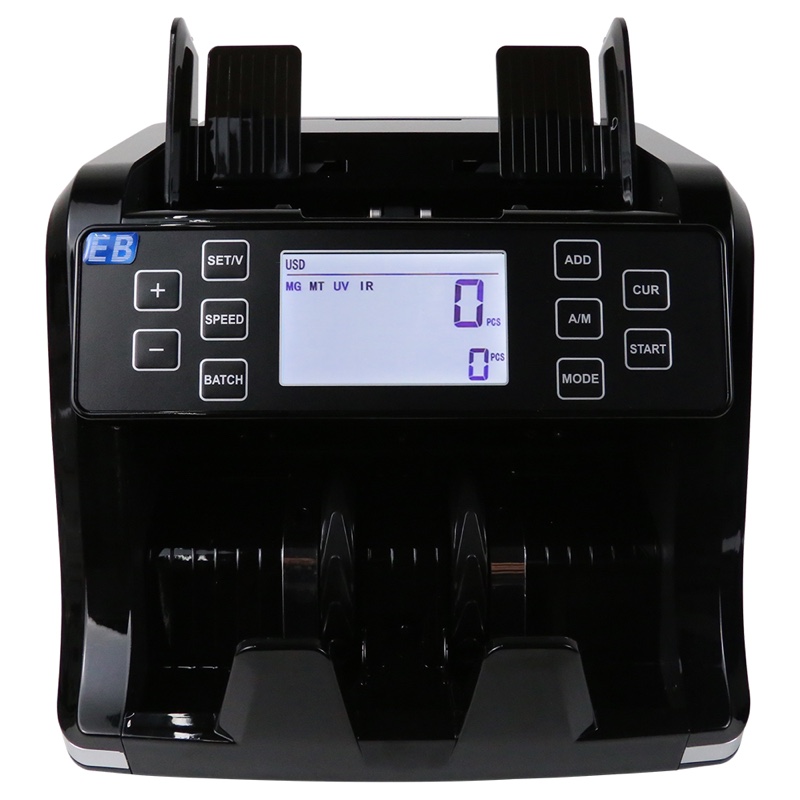
Hopper discipline matters more than speed. The LD-1910 takes 200 notes in the hopper and 200 in the stacker. Front-feeding machines are more capacity-sensitive: the LD-1500 is rated for 100 old notes or 200 new notes in hopper and stacker, because worn notes curl and overlap. Overfilling is a false-economy: it multiplies double-feeds, and a single missed double-feed is worse than the ten seconds you saved.
Use auto start/stop so the machine begins when notes are inserted and halts when the hopper empties, then clears between bundles - the automatic half-note, chained-note and double-note detection does its job best when each run starts from a clean state. Keep aligned guide wings snug against the stack without compressing it.
Step 4: Never Ignore the Reject Bin
The reject counter is a diagnostic instrument, not a nuisance. Each rejected note carries a reason code: half-note, double-feed, chain-feed, width difference or a UV/MG suspect flag. The LD-1500 adds DD (width detection): the first note of a pile sets the reference width, and any note deviating triggers a "Width Different" message - a cheap way to catch foreign currencies or wrong-denomination slips hidden in the pile.
Recheck every rejected note by hand before returning it to the pile. A rejection you do not investigate is either a machine setting to fix or a miscount to correct; it is never nothing.
Step 5: Verify Suspect Notes on a Detector, Not on the Counter
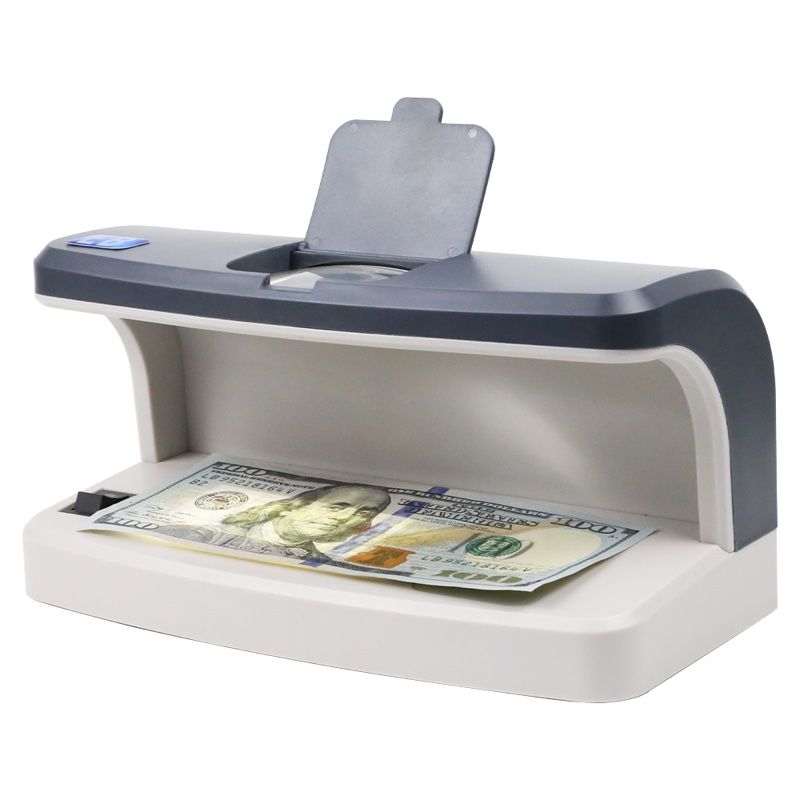
Counters screen; detectors verify. When a counter flags a note as suspect, move it to a dedicated verifier such as the DC-5100: a 365 nm UV lamp for fluorescent paper response, a magnetic sensor for ink, and a 5X magnifier for micro-printing, with a ruler area on the platform for quick size checks. Its 1200 mAh battery gives about four hours of cordless use at a teller window. Never treat a counter's suspect flag as a final counterfeit decision - escalate to a second method or a supervisor per your policy.
Step 6: Record, Reconcile and Report
A mixed count is only finished when it is recorded. Read both displays: pieces and value. If the piece total and the value total disagree with your expectation, re-run the pile rather than adjusting by hand - silent hand-corrections are how audit failures start. For back-office integration, choose machines with data ports: the LD-1910 provides USB and RS232, so count results flow into cashiering or vault-management software instead of a sticky note. For continuous branch operations, also respect duty cycle - the LD-1910 is rated for more than 30 minutes of continuous working before a rest.
Choosing the Right Equipment for Your Mixed Counting Volume
If your pile is one currency and mostly worn circulation, a front-feeding counter with amount preset and DD width detection is enough. If you process several currencies or need denomination and version splits, budget for a CIS-based mixed-value machine. Branch staff new to automated counting should read our earlier guides on front-feeding versus back-feeding counters and on the daily-to-monthly cleaning routine that prevents most reject errors before they start.
Key Takeaways
Mixed-denomination counting succeeds when the notes are prepared (de-banded, fanned, within size and thickness range), the currency and mix-value mode are set correctly, batch and add modes are used deliberately, rejects are investigated, suspects are verified on a detector, and results are recorded by both pieces and value. Distributors evaluating machines for bank and retail customers are welcome to request specification sheets and sample testing for the LD-1910, LD-1500 and DC-5100 through the Easy-Banker contact page.