
On 1 November 2026, a Bank of Thailand notification on large cash transactions took legal effect. That same week, New Zealand's central bank published the results of the most-responded-to cash consultation in the Western world this year, and Kuwait set a hard calendar for pulling stored cash back inside bank vaults. None of these measures abolishes cash. All three raise the price of touching it - and that price is paid at the branch counter, in counting time, verification steps and record-keeping. The practical reading for banks, cash centres and the distributors who equip them: the world is not winding cash down, it is winding cash up for audit.
Bank of Thailand Notification No. 57/2026, announced 26 October and effective 1 November 2026, requires financial institutions to perform enhanced due diligence on cash deposits of THB 5 million or more within a single day at physical branches (Bangkok Post; Nation Thailand, 26 Oct 2026). Depending on the customer's risk profile, tellers must establish the source of funds and the purpose of the transaction and request supporting documents; unusual or inconsistent transactions must be reported to the central bank. Governor Vitai Ratanakorn framed it under the Bangkok Blueprint for Fraud-Resilient Financial Services, built with the IMF and the World Bank Group (Thaiger, 1 Nov 2026).
The trigger covers far more than plain deposits: cheque and draft deposits, exchanging Thai baht banknotes, cash used to issue cheques or drafts, foreign-currency dealing, and cash payments for insurance premiums, investment products and derivatives. Electronic channels are explicitly excluded - concentrating the entire compliance burden into staffed counters.
Picture what THB 5 million means physically. Thailand's largest circulating note is 1,000 baht, with 20, 50, 100 and 500-baht notes making up everyday circulation, so a threshold deposit is at least 5,000 banknotes - realistically many more, in mixed denominations. A pile that now invites source-of-funds questions is exactly the pile that needs a mixed-value batch count, a UV/magnetic/infrared verification pass and an exported or printed record. Before the rule, that deposit was a counting job. From 1 November, it is evidence.
The Reserve Bank of New Zealand published its Keeping Cash Local consultation findings on 1 October 2026: 6,106 submissions (6,083 individuals, 23 organisations) on the proposed minimum standard for cash services that ran from 25 February to an extended deadline of 31 July 2026. Around 90 percent agreed or strongly agreed New Zealand needs such a standard; roughly half were dissatisfied with current services in their district (48.5%) or nationally (53.87%). The supporting behavioural data is blunt - RBNZ's 2025 Cash Use survey found people storing cash outside bank accounts rose from 32.8 percent (2019) to 69.5 percent (2025), and more than half of adults aged 18-29 use cash for everyday purchases. Dissent exists (the New Zealand Initiative challenged the legal basis; the RBNZ filed a formal annotation on 19 October 2026), but the direction is set: banks will maintain guaranteed sites to withdraw, deposit and swap cash - and guaranteed deposit points concentrate scrutiny on the counters that process them.
The Central Bank of Kuwait has ordered banks to stop storing daily cash surpluses with third-party money-transfer and storage companies from 1 January 2027, with 31 December as the deadline for all regulatory, operational and supervisory preparation (Times Kuwait, 6 Sep 2026). Cash must then be kept exclusively at bank premises under the bank's direct responsibility - secured, insured, and tracked by a central database covering movements from receipt to delivery. The scale: the ATM-replenishment outflow category alone reached KD 4.9423 billion from the start of 2026 through end of July.
For equipment buyers the arithmetic is simple. Every custody hour banks reclaim from outsourced cash centres is a counting, sorting, bundling and recording task landing inside a bank-owned facility. Vaults that must now hold cash all night need in-house processing lines, not an outsourced dependency.
Central Banking's Currency Benchmarks 2026 (14 Oct 2026) frames the split: 21 percent of surveyed emerging-market and developing-economy central banks actively discourage cash use, while none of the advanced-economy central banks surveyed does - and 83 percent of the advanced-economy group reports digital payments reducing banknote demand. Europe is legislating cash's legal-tender status and access obligations; the Gulf keeps cash but demands it be handled inside controlled, auditable walls. Cash is protected here, squeezed there - almost nowhere left unwatched.
Read together, the three decrees form a procurement checklist: count large deposits reproducibly, verify notes where a compliance question can be asked, and leave a record that travels with the deposit.
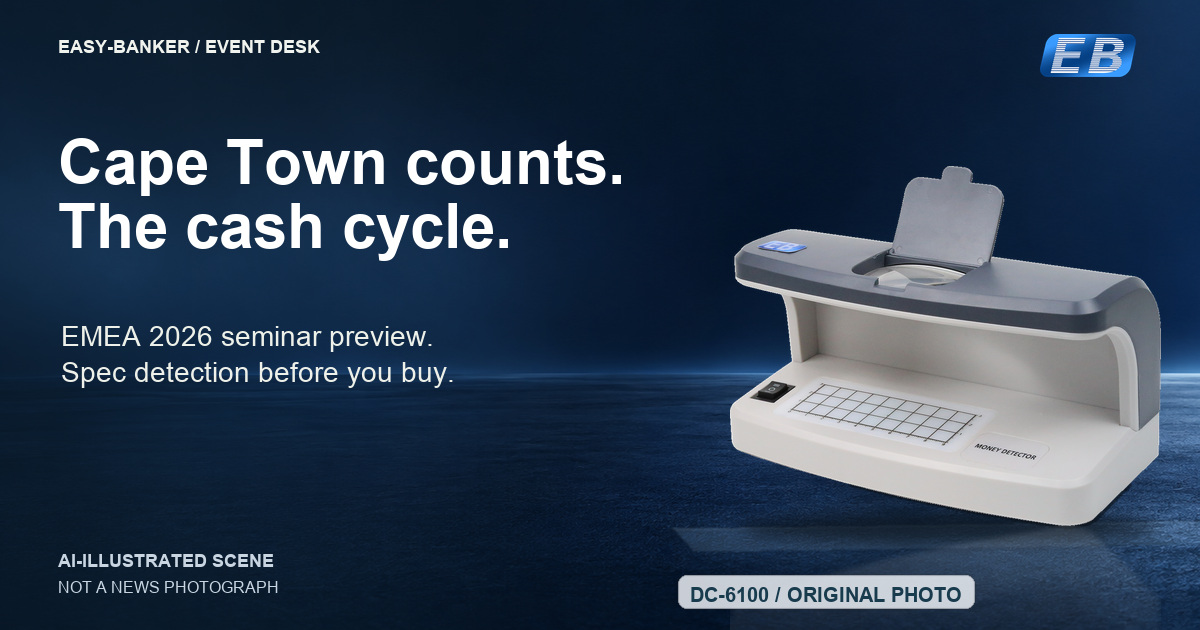
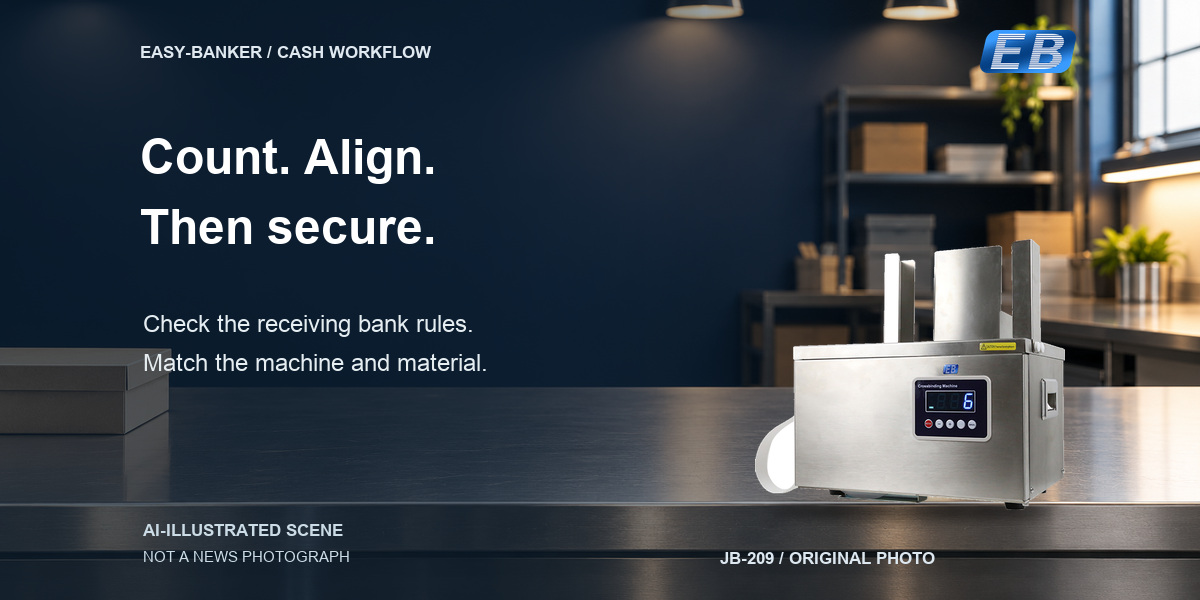
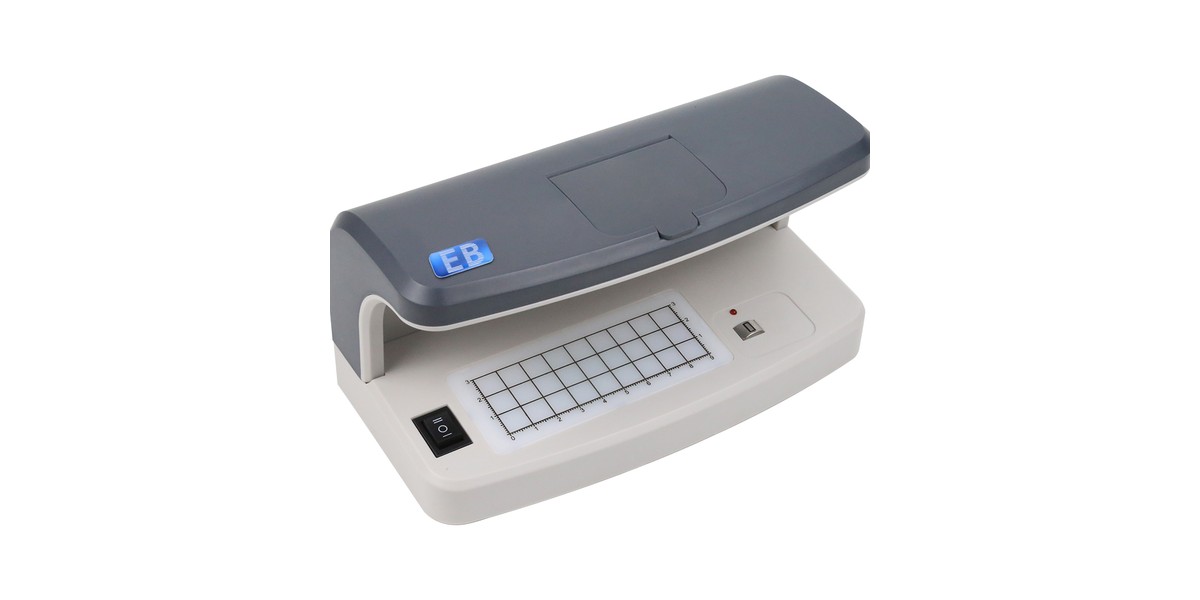
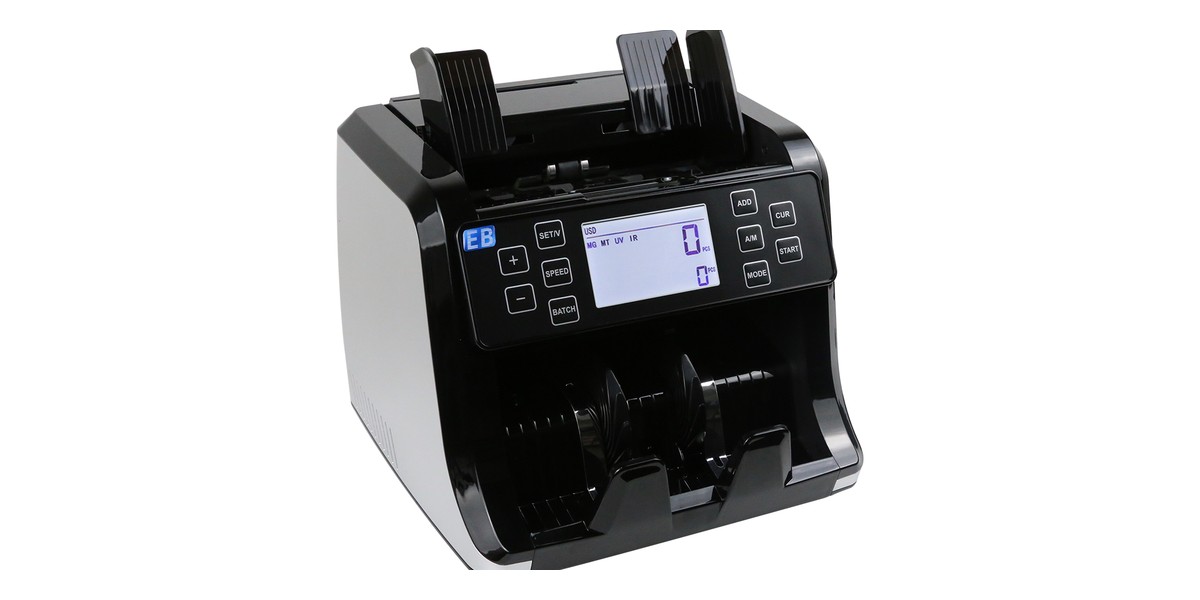
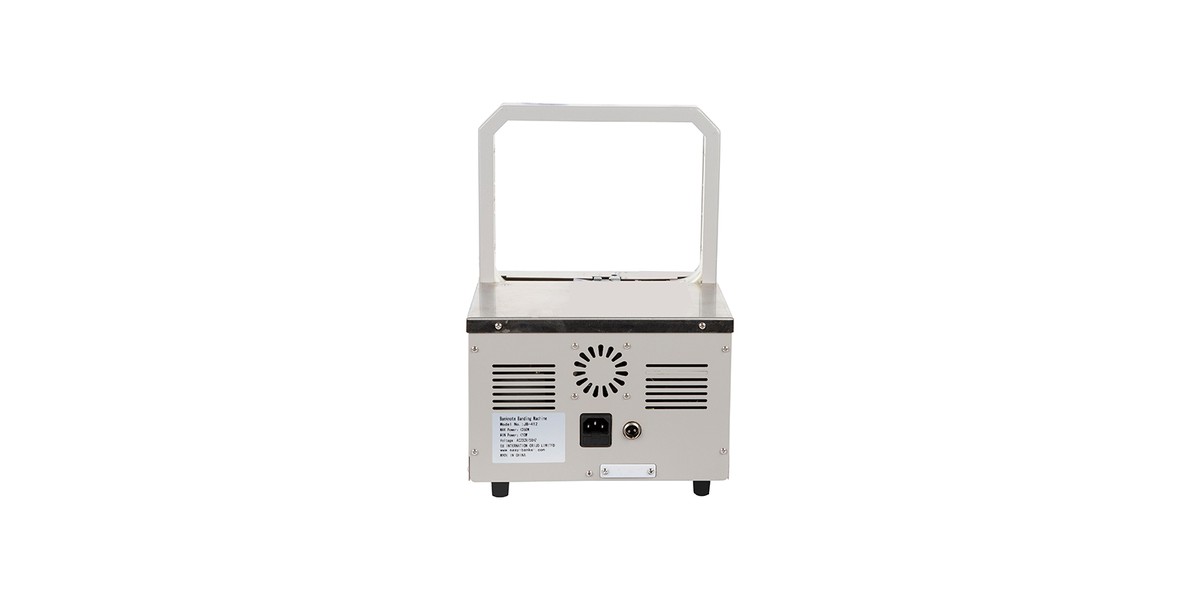
For Thailand's mixed-value problem, our LD-1500 back-fed counter runs above 1,000 notes per minute with UV, magnetic-ink and infrared detection, a TFT display and amount-preset for value checks, in a 5.5 kg desktop body built for counters, not warehouses. For the front-of-customer question - is this note genuine, asked while the depositor is still at the glass - the DC-5100 portable verifier combines a 365 nm UV stage, magnetic check, roughly four hours of battery from a 1,200 mAh pack and a built-in 5X magnifier. For the record itself, the BS-631 sorter's own specification table states it is "capable to capture note serial no. can be printed and stored in memory card" - the difference between a total and a traceable total. And for Kuwait's in-housing wave, banknote banding machines sit at the seam where a bundle leaves a vault and re-enters circulation.
Thailand: map branch and cash-centre accounts whose large-deposit volume crosses the daily trigger; lead with mixed-value counting and exportable records, not plain counters. New Zealand: track the bank working group - a voluntary access standard concentrates deposit and swap services into fewer, better-equipped sites. Kuwait and the Gulf: the 1 January 2027 deadline is a tender calendar; vaults being built now will specify counters, sorters and bundlers next. Everywhere: position equipment as the verification-and-record layer of cash compliance. The banks that win under these rules are the ones whose counter data is credible. Easy-Banker manufactures and exports mixed-value counters, detectors, sorters and bundling equipment; the linked product pages are the authoritative source for every specification quoted here, and OEM and multi-currency firmware questions go through each page's inquiry form.
Regulatory facts verified on 2 November 2026 against: Bangkok Post, "Daily cash transactions of B5m or more subject to scrutiny" (26 Oct 2026); Nation Thailand (26 Oct 2026); Thaiger (1 Nov 2026, citing BOT Notification No. 57/2026); Reserve Bank of New Zealand, "Consultation finds strong support for access to cash services" and "What you told us about access to cash" (1 Oct 2026) plus the Keeping Cash Local annotation release (19 Oct 2026); Times Kuwait, "CBK orders local banks to stop storing surplus cash with third parties from Jan 1 2027" (6 Sep 2026); Central Banking, "One-fifth of EMDE central banks actively discourage cash use" (14 Oct 2026). Thai denominations per the public reference to Bank of Thailand note issues. Product specifications are quoted from the linked easy-banker.com product pages.