

Two industry events bookend the end of 2026. In Las Vegas, Money20/20 USA closed on 21 October after four days at The Venetian. In five weeks, the people who print, verify and grade physical money meet in Hong Kong for High Security Printing (HSP) Asia, 30 November to 2 December 2026. What happens in those rooms decides which machines your customers will need to quote in early 2027. Easy-Banker is not exhibiting at either; we track both as demand forecasts and read them here through a cash-equipment buyer's eyes.
Money20/20 USA 2026 ran 18-21 October at The Venetian Expo. Closing figures: roughly 11,000 attendees from 85+ countries, 3,000+ companies, 600+ speakers, around agentic AI, stablecoins and fraud. The 2027 edition moves to the Las Vegas Convention Center, 19-21 October.
Why should a money-counter distributor care about a fintech show? Because fraud is the shared budget line. Every session on identity fraud and payment scams is, in cash terms, a session about counterfeit deterrence - and central banks answer by re-issuing notes with stronger features and shorter machine-readability grace periods. Banks shrinking branch networks spend the savings on fewer, better machines at cash centres: counters that only count get cut; detectors that reject fakes survive.
High Security Printing Asia takes place 30 November to 2 December 2026 in Hong Kong, organised by Reconnaissance International. The circuit gathers central banks, currency bureaux, secure-document issuers and their suppliers; earlier editions drew several hundred delegates. This year's programme already lists a session on cash-usage trends in Japan - useful for anyone selling into a market that projects declining cash share yet still processes trillions of yen annually through ATMs and cash centres. The call for papers closed 25 September 2026, so the agenda is locked. Two themes will dominate, and both translate into procurement criteria: polymer migration and note fitness. When a central bank moves a denomination to polymer, every detector and sorter in circulation is implicitly asked to prove it can still read, count and grade the new substrate on day one.
Three verified facts connect the two event rooms to your quotation sheet:
Regionally the same pattern repeats: new polymer issues landed this year in Oman (polymer one-rial, January) and the Pacific, each with the familiar 12-18 month window in which every cash machine must be re-validated.
The matching supply checklist, using published specifications from our live product pages:
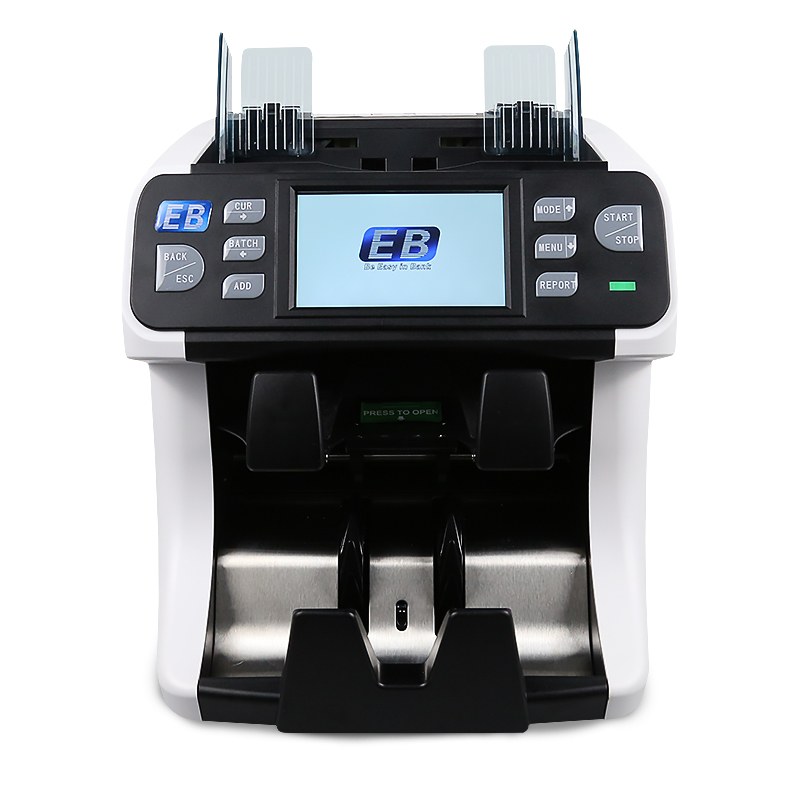
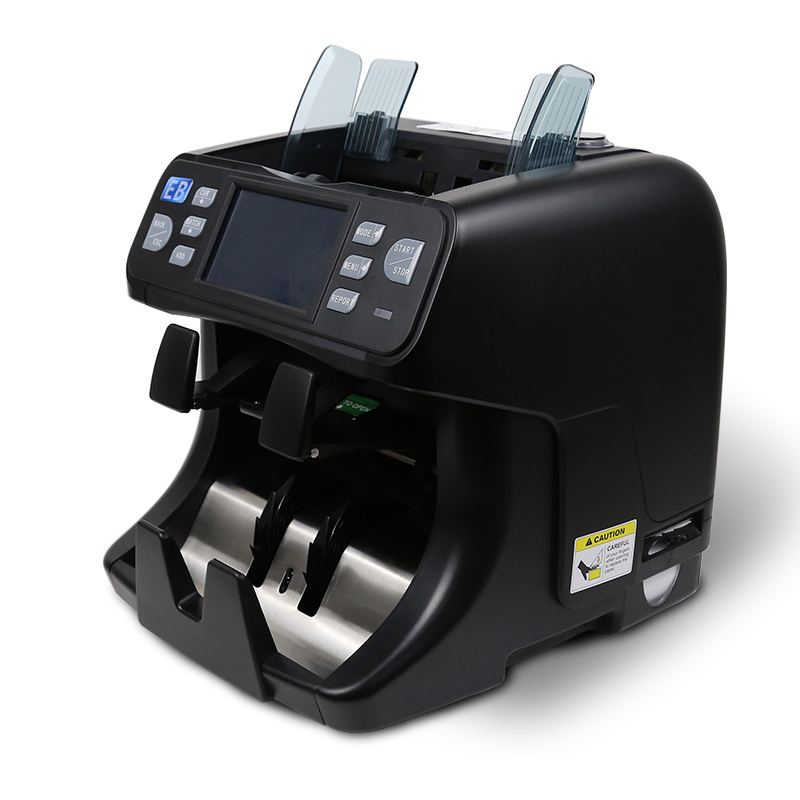
1. A fitness-capable sorter for cash-centre work. The BS-2090 currency sorter runs at 800, 1,000 or 1,200 notes per minute with dual CIS imaging at 200 dpi analysing both sides by reflection and transmission in visible and IR, plus UV and MG channels and a mechanical thickness check for FIT/UNFIT grading. It flags washed notes, tears, adhesive repairs and double feeds, handles USD, EUR, GBP, CNY, JPY, KRW, RUB, INR, IDR, TWD, HKD and more, and connects via LAN, RS232 or USB with an optional built-in printer. Footprint 262 x 293 x 302 mm, 10 kg net.
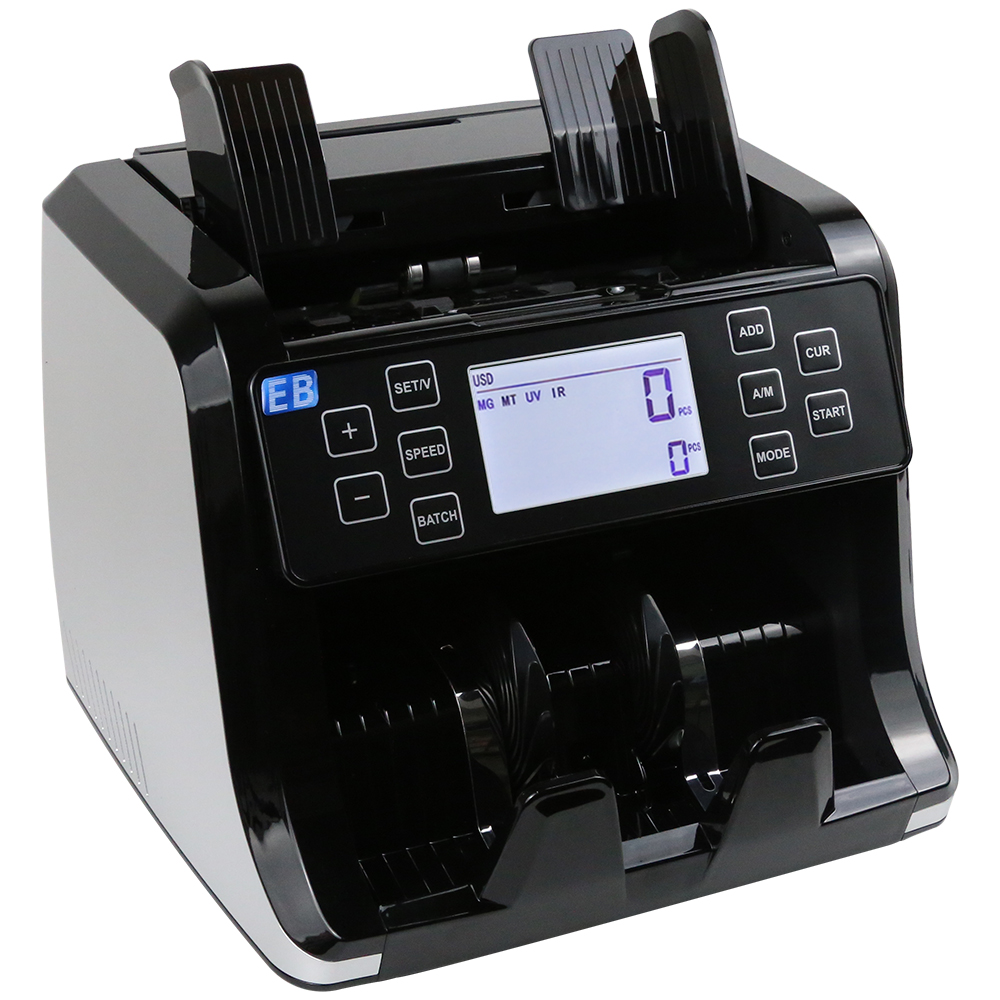
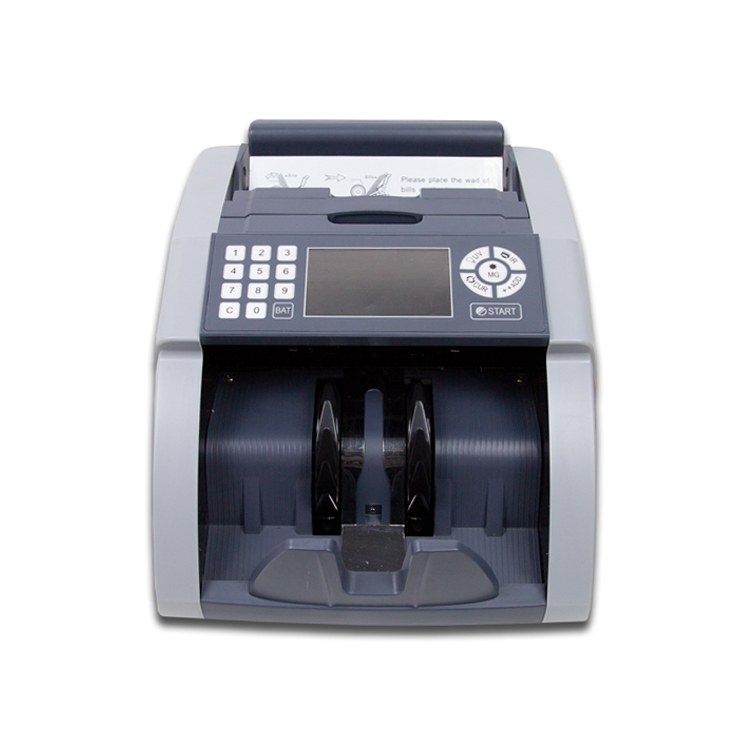
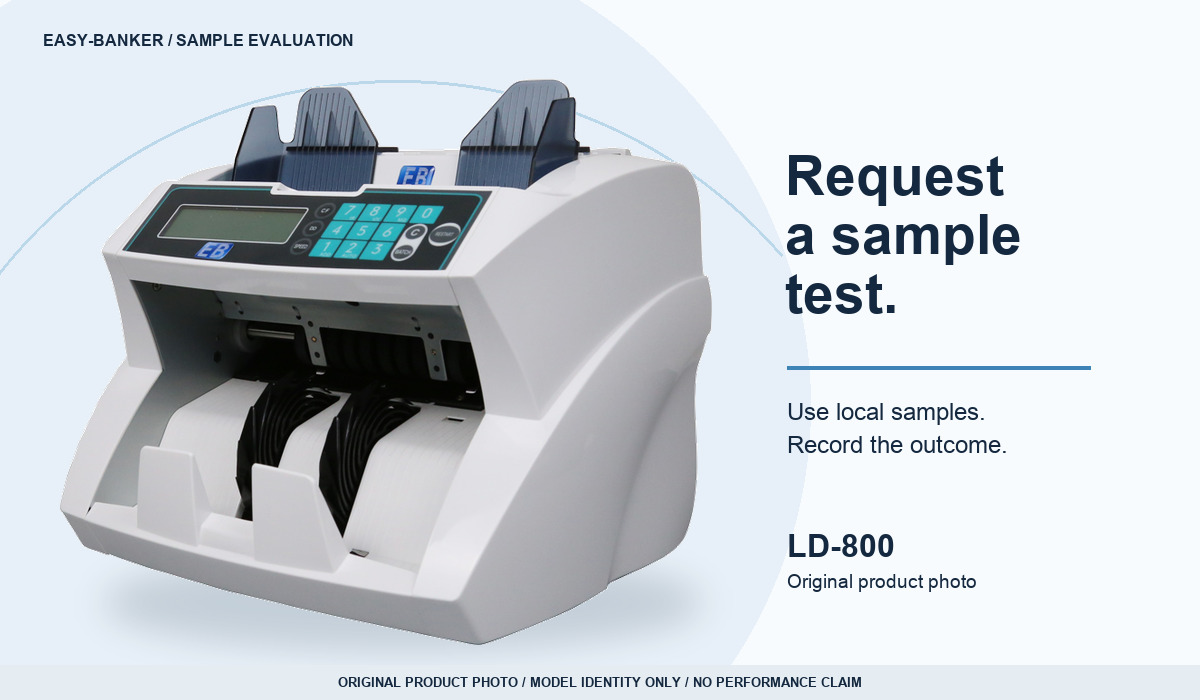
2. A front-desk counter. The LD-800 counts at four selectable speeds - 800, 1,200, 1,600 and 1,900 notes per minute - with UV and MG detection, automatic half-note, chained-note and double-note rejection, batch and add modes up to 999, and accepts notes from 130 x 50 mm to 180 x 100 mm with thickness 0.075-0.15 mm. It weighs 4.9 kg and runs on AC 100-240 V drawing 60 W or less - one machine per till rather than one per branch.
3. A coin counter, because cash centres close coins too. The CS-9500 coin sorter counts and sorts mixed coins by denomination with a 500-1,000-coin hopper, batches denominations simultaneously and shows value and quantity on an LCD, in a 415 x 194 x 330 mm, 6.8 kg, 80 W frame on AC 220 V or 110 V.
4. The bundling desk most quotes forget. Serial-number policies and CIT bag-and-tag rules push strapping demand: the JB-412 banding machine runs OPP film and hot-melt paper tape with instant heating, binds 20 x 10 mm up to 200 x 160 mm bundles, stays below 75 dB for open-plan counters and weighs 13 kg at 320 x 300 x 400 mm.
For teller-line verification, pair the range with a portable UV/MG detector from our DC-series - the item that most often rides along with a sorter purchase.
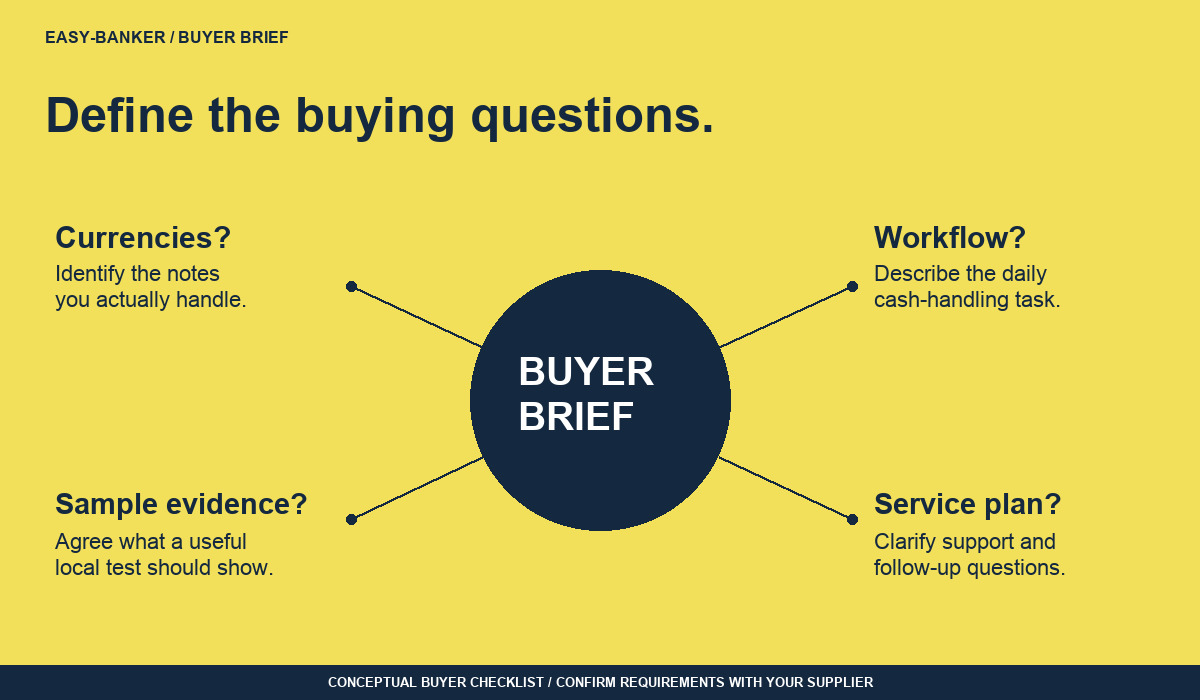
Both shows publish free content - Money20/20 recaps and the HSP Asia programme page - enough to build a demand map. In November and December: list the currencies your top five bank or CIT customers operate in and check each against this year's redesign or polymer announcements; measure your machines against the fitness and serial-capture criteria those programmes emphasise; request sample bundles on new polymer substrates once a neighbouring central bank issues them, because field rejections drive replacement orders. Our Q4 2026 events calendar article lists dates and cities for Hong Kong travel planning.
The two rooms - a fintech expo in the Nevada desert and a secure-printing conference in Hong Kong - converge on one conclusion: physical cash shrinks in volume but rises in compliance cost per note, and equipment that proves compliance wins the remaining volumes. Building your 2027 quotation sheet? contact our export team for OEM pricing, sample machines and currency-specific configuration lists for the BS-2090, LD-800, CS-9500 and JB-412.
Sources: organiser closing figures and venue announcements (Money20/20 USA, Oct 2026 coverage); hsp-asia.com programme pages; Reserve Bank of India master direction on note sorting and Indian government polymer field-trial announcement (July 2026); European Central Bank design-timeline statements (2026); Bank of Thailand machine verification requirement (effective Oct 2026). Product specifications are taken from the live Easy-Banker product pages listed above, October 2026.