The 2026 Polymer Wave: New Banknotes and Cash Equipment
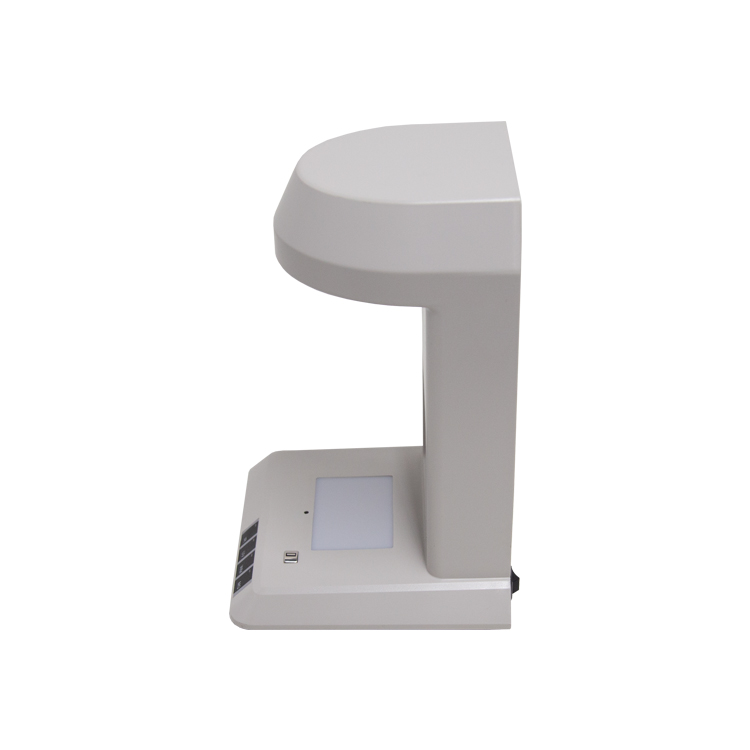
Why 2026 Is a Turning Point for Physical Cash
If you distribute money counting or detection equipment, take note: 2026 is shaping up to be one of the most active years for new banknote issuance in a decade. India has cleared a billion-piece polymer trial, Oman put its first polymer coin-territory note into circulation, the Solomon Islands launched a polymer jubilee fifty, and the euro area's counterfeit statistics keep shifting denomination by denomination. None of this happens in isolation — every new note or new substrate quietly rewrites the job description of the counter and detector sitting on your customers' counters.
The Polymer Wave Reaches India — the World's Largest Cash Market
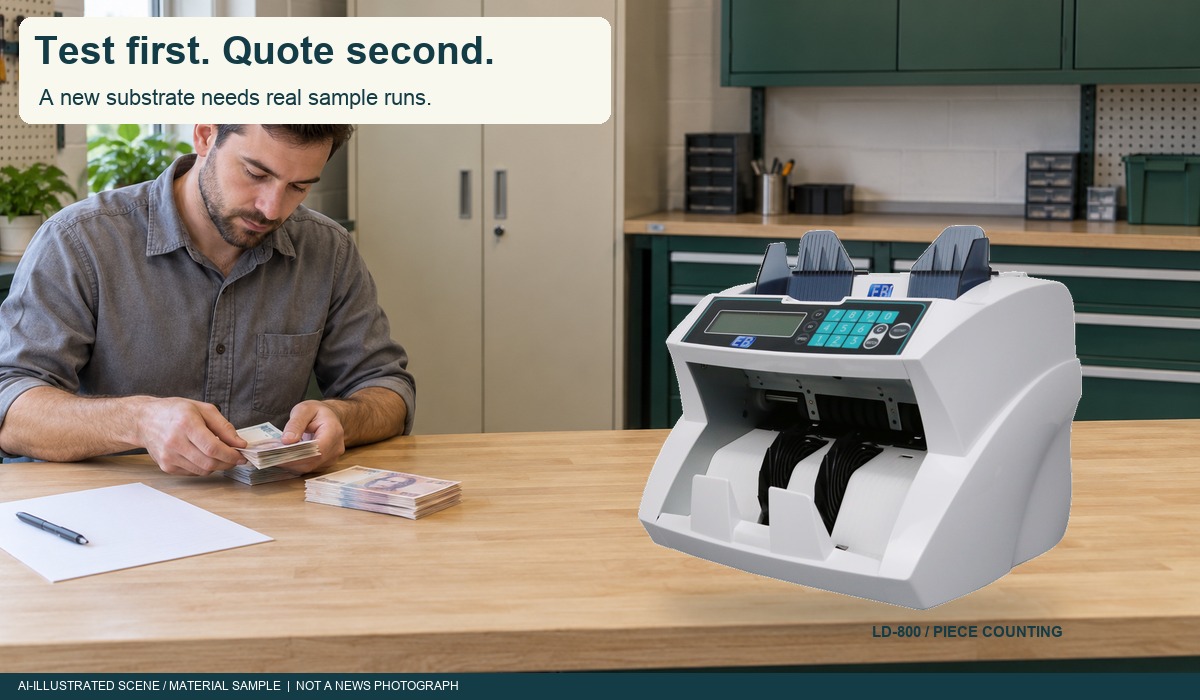
The single biggest signal came from New Delhi. In response to a written parliamentary question confirmed in late July 2026 (reported by The New Indian Express and The Hindu), the Ministry of Finance approved the Reserve Bank of India's proposal to introduce one billion pieces each of ₹10 and ₹20 polymer banknotes for field trials, followed by regular issuance if the trials succeed. A subsidiary of the RBI, Bharatiya Reserve Bank Note Mudran Pvt Ltd (BRBNMPL), floated a tender for 3.4 crore polymer sheets, and the RBI issued a global Expression of Interest for polymer substrate suppliers. Crucially, the RBI has stated that paper and polymer notes will run in parallel — the old notes are not being withdrawn.
For cash-handling equipment, a ₹10/₹20 polymer trial at one-billion-piece scale means Indian banks, currency chests and commercial clearing houses will spend the next 12–24 months validating whether their existing note-counting machines and counterfeit detectors accept the new substrate without false rejects. Distributors serving that market should treat polymer compatibility — correct UV, magnetic and infrared sensor calibration, plus an updatable currency library — as the #1 selling argument in 2027.
Oman, Samoa and the Solomon Islands: Transparency Windows Everywhere
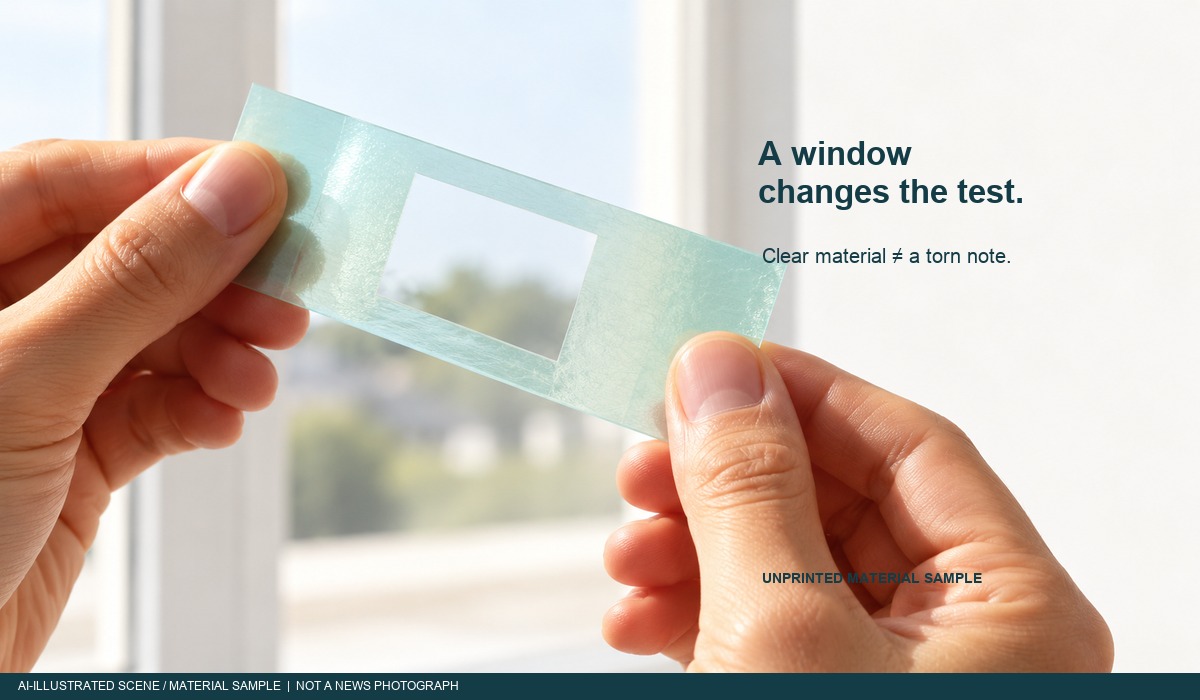
Smaller issuances carry an equally practical message. The Central Bank of Oman announced (December 2025) and placed into circulation on January 11, 2026 the country's first polymer commemorative banknote — a 145 × 76 mm One Rial note with a large transparent window, optically variable ink and iridescent ink. In the Pacific, the Central Bank of Solomon Islands issued its 50th Golden Jubilee commemorative $50 note on De La Rue's Safeguard polymer on June 18, 2026, in a limited run of one million notes designed to co-circulate with the existing series. BanknoteNews also reports Samoa's 100-tala QEII centenary polymer note (introduced September 10, 2026, printed by Royal Joh. Enschedé, with no security thread and no watermark) — a note collectors will hoard, but retailers will still occasionally see at the counter.
Transparent windows are the feature that trips up entry-level equipment the most: machines that measure note dimensions or light transmission can read the window as a torn or counterfeit note and reject it. Any counter or detector sold into these markets in 2026–2027 must handle windowed polymer notes cleanly, and sellers should test demo units against real polymer samples before quoting.
Counterfeit Euro Trends: Lower Volume, Different Targets
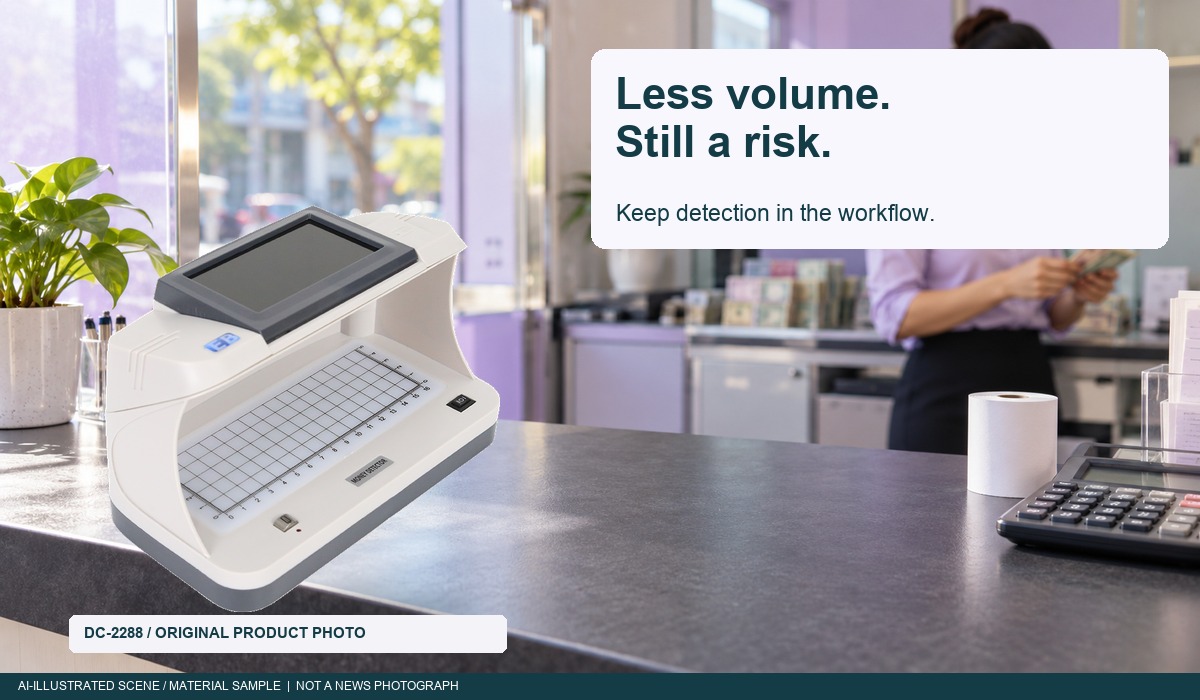
The fraud side of the equation is moving too. According to ECB data reported on February 27, 2026 (The Brussels Times), roughly 444,000 counterfeit euro banknotes were withdrawn from circulation in 2025 — down 20% year-on-year, with only about 14 fakes per million genuine euro notes, one of the lowest ratios since the euro launched. The €20 and €50 denominations together still account for around 80% of all fakes withdrawn, and 96.8% of detections happened inside the euro area.
Germany's Bundesbank added nuance on August 7, 2026: approximately 30,000 counterfeit euro banknotes were identified in German payments in the first half of 2026, down 4.3% from the second half of 2025 — but counterfeits of the €100 note went up while every other denomination fell, and counterfeit €1 and €2 coins rose 8.6%. The pattern matters for retail chains and CIT companies: risk concentrates in specific denominations and migrates over time, which is exactly what "fit-note sorting and counterfeit statistics" features on modern counters are for.
What Equipment Buyers Should Do Now
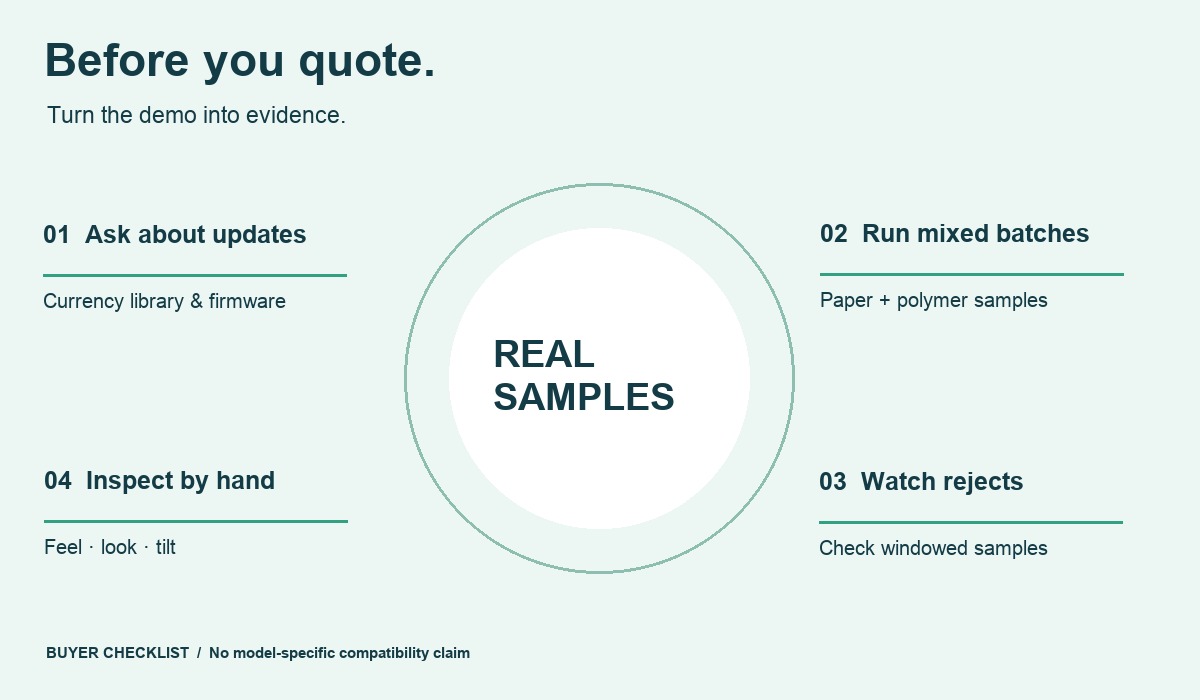
Three practical takeaways follow from this year's issuance calendar. First, currency library freshness is a service, not a feature: ask suppliers how often detection firmware is updated after a note redesign (India's ₹10/₹20 polymer, Canada's new $20 due February 2027 and the Eastern Caribbean Central Bank's 2027 family will all need support). Second, verify polymer behaviour in person: run mixed cotton-and-polymer batches through any counter you plan to buy and watch reject rates on windowed notes. Third, don't let falling counterfeit statistics lower your guard — ECB and Bundesbank both urge the "feel, look, tilt" habit precisely because machine detection at the point of receipt remains the last line of defense before fakes re-enter circulation.
Easy-Banker's View for Distributors
Easy-Banker's currency detectors and bill counters are built around multi-currency libraries with UV, MG and IR sensor channels, and mixed denomination counting supports today's parallel paper-and-polymer reality. For distributors, the 2026 polymer wave is not a threat — it is a refresh cycle: every central bank that changes a substrate creates a replacement-and-upgrade conversation with banks, retail chains and CIT operators. Stock machines that can grow with those notes, and you turn central bank news into your own pipeline.