Reading the Fingerprint: How Banknote Serial-Number Capture Turns a Sorter into an Audit Tool
When a mixed batch of banknotes goes through a machine, buyers usually ask one binary question: real or fake. But banks, cash-in-transit companies and cash centers quickly hit a second question that a pure accept/reject verdict cannot answer: which note, in which batch, landed in which pocket? That is the job of banknote serial-number capture — a feature now sitting on the specification tables of higher-end currency sorters, and the difference between a detector and an audit instrument.
What "SN capture" actually means on the spec sheet
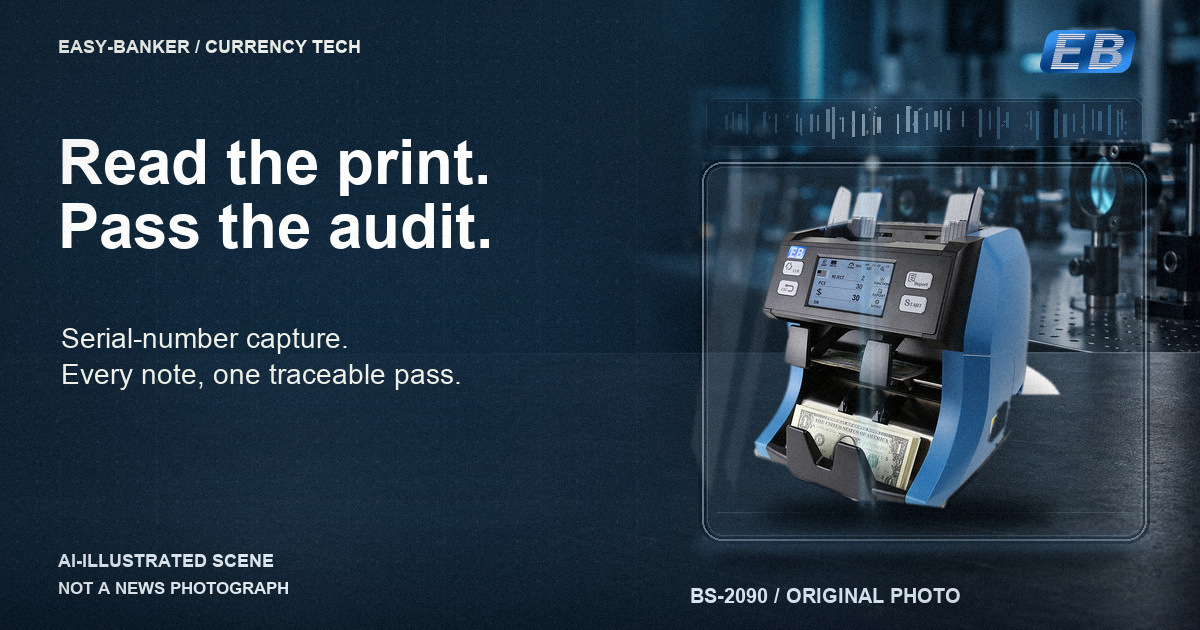
On the BS-631 note sorting machine, the feature line is literal: the machine is "capable to capture note serial no." and those numbers "can be printed and stored in memory card." The BS-2090 lists the same serial-number capture alongside its dual-CIS authentication package. In practice this means that as each note passes the imaging channel, the machine reads the printed serial identifier and attaches it to the record of that note's denomination, version and fitness verdict — turning an anonymous count into a traceable list.
The optical channel that makes the number readable
On machines like these, the number is read on the imaging channel rather than by a separate bolt-on camera — the same CIS hardware the specification tables list for authentication. The BS-631 specification table describes a 200 dpi CIS optical array working in reflection and transmission, in both visible and infrared light, backed by magnetic sensors that analyse strong and weak magnetic patterns on the ink. The BS-2090 is built on the same principle — a dual CIS image-analysis channel at 200 dpi, plus UV and magnetic detection and a mechanical thickness check — at process speeds the page lists as 800, 1,000 or 1,200 notes per minute. A 200 dpi sampled line across a full note image is what gives the characters enough contrast to be read at those throughputs; it is also what feeds the fitness (FIT/UNFIT) and washed-note checks the same rows list.
Four jobs serial-number data does inside a cash operation
1. Shift-level audit trails. A teller line or vault counter needs proof of what was processed in a batch, not just how many notes. The BS-631's serial-number line says captured numbers can be "printed and stored in memory card" (its RS232 port is specified for printer connection), and the BS-2090 carries an optional built-in printer in its specification — so a batch can leave the room with a physical receipt tied to it.
2. Bag-level reconciliation. The BS-631 sorts into three output stackers of 100 notes each, expandable to 200 per pocket in software, plus a reject pocket holding up to 100 notes, from a feeder of up to 1,000. Combine that pocket logic with serial-number records and every output bag becomes verifiable without recounting: the list of numbers says what is in the bag.
3. Disputes and incident traceability. When a shortfall, a suspect note or a police request appears weeks later, a stored serial list is the only neutral witness. Operations teams can show which machine, which shift and which batch a note passed through. This is the same reason the upgrade clocks set by regulators — we covered the RBI, ECB and UK machinery-maintenance rules in a separate brief on counterfeit-detection software upkeep — increasingly assume that serious sorters produce records, not just verdicts.
4. Wear and fitness statistics. Serial numbers let the same note be tracked across repeated passes. Counting how often a given number comes back as unfit turns fitness sorting from a gate into a dataset — useful when the ECB-style fitness rules your central bank applies start to shape procurement.
How the data leaves the machine
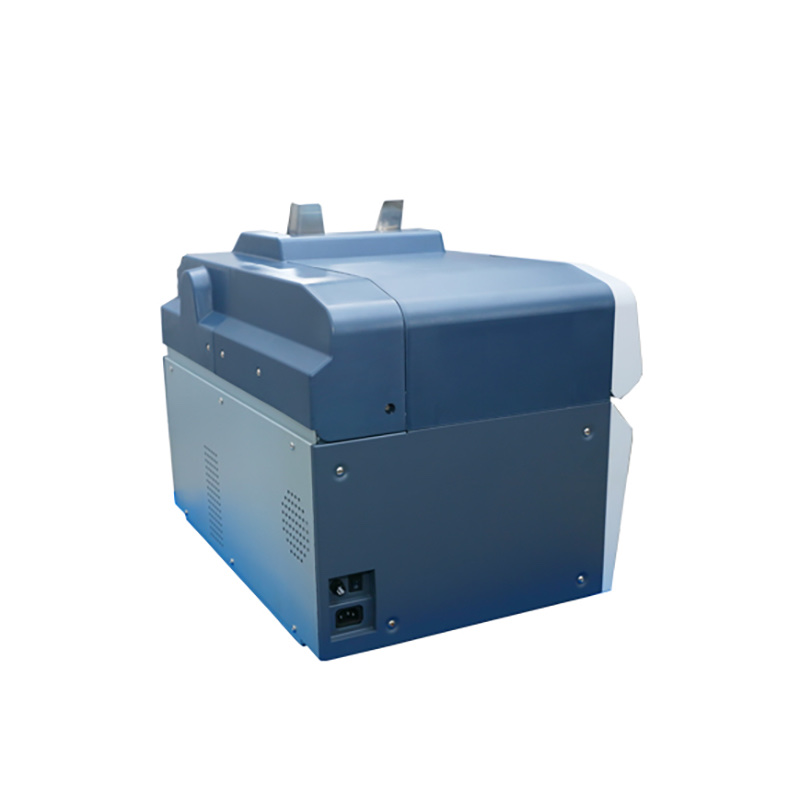
Capture without export is a dead end for integrators, so check the interfaces row as carefully as the sensors row. The BS-631 lists RS232, USB 2.0 and Ethernet/LAN communication plus SD-card storage; the BS-2090 lists LAN, RS232, USB and PC connection with USB storage and a tactile screen for local review. For distributor-side system integration, LAN plus SD/memory-card export is the combination that lets a back-office pull a batch's serial list without standing next to the machine.
Choosing the tier: simple counter versus sorting machine
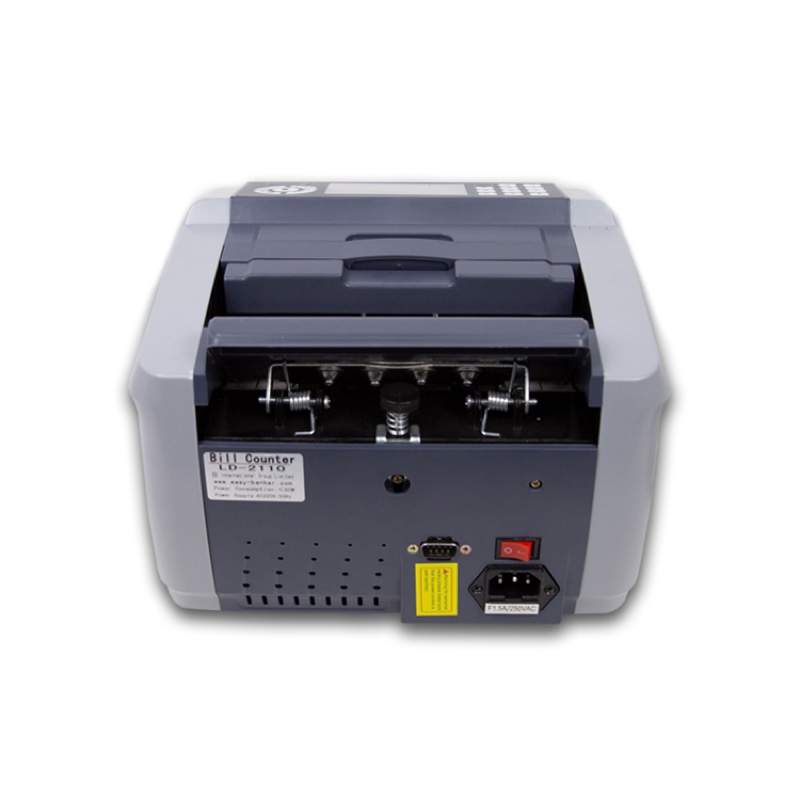
A UV money counter still has a place in the operation — it just does not keep records. The LD-2110 counter counts at 900 notes per minute with automatic start/stop/clear, detects half notes, chained notes and double notes, handles banknotes from 50×110 to 90×180 mm and 0.075–0.15 mm thick, draws ≤80 W, stays under 60 dB and ships at 4.75 kg net — an everyday till-room tool with the 4-digit counting and 3-digit batch displays listed on its page, but no serial-number trail. The step-up decision is simple: if the machine's output has to survive an audit, spec the sorter; if it only has to survive the shift, a counter is enough.
For buyers comparing sorting tiers, the BS-631 page lists currency support including USD, EUR, GBP, CNY, JPY, KRW, RUB, INR, IDR, TWD and HKD "etc." — always confirm your exact series against the machine's current software, and run your own local notes through it before committing. Two honest limits belong in any serial-capture conversation: first, note-number readability degrades exactly when notes are worn or soiled — the same condition the machine's washed-note and reject logic already flags; second, Easy-Banker machines are manufacturer equipment and are not listed on any Eurosystem or RBI tested-machine list in this article's sources — procurement that requires official compliance must request the current list from the authority itself, not from a supplier blog.
The buyer's checklist
Before you RFQ a "currency sorter with serial number capture," pin down five things: (1) whether the serial list can be exported per batch (file interface and storage medium, not just "yes" on a datasheet); (2) the imaging resolution doing the reading (200 dpi CIS on the machines above); (3) pocket logic — how many stackers, how extendable, and what the reject pocket holds; (4) printer option availability for on-floor receipts; (5) currency/series support confirmed with your own notes. Ask for the specification table of the exact software version — serial-capture behaviour is a firmware feature as much as a hardware one, and it is maintained the same way detection software is maintained under the regulator upgrade clocks described above.
Easy-Banker manufactures banknote counters, currency detectors and note sorting machines for distributors, banks, CIT operators and cash centers worldwide. If you want the BS-2090 or BS-631 specification tables reviewed against your currency list and audit requirements, contact our export team with your target markets and batch volumes.