Money20/20 2027 Calendar Confirmed: A Cash Buyer's Guide to the Show Season
The 2026 US edition of the Money20/20 circuit closed in Las Vegas on 18-21 October 2026, and the organiser has already published the full next-year calendar on its official site. For anyone responsible for buying or reselling cash handling equipment, that calendar is the earliest working document of your 2027 planning cycle — and the smart teams are reading it this week, not in March.
The 2027 Show Calendar, As Confirmed on the Official Site
Verified directly from www.money2020.com on 30 October 2026, the organiser's confirmed editions are: Fintech Americas, 16-18 March 2027, Miami; Money20/20 Asia, 27-29 April 2027, Bangkok; Money20/20 Europe, 8-10 June 2027, Amsterdam; Money20/20 Middle East, 14-16 September 2027, Riyadh; Money20/20 USA, 19-21 October 2027, Las Vegas; and Money20/20 Australia, 15-17 February 2028, Melbourne. The organiser positions the series as "the world's leading, premium content, sales and networking platform for the global money ecosystem" — a payments and fintech audience, not a pure cash-exhibition crowd. Treat dates and venues as the organiser publishes them and re-check before booking, since editions can shift.
Why a Fintech Show Still Belongs on a Cash Team's List
Banks, cash-in-transit companies, retail chains, ATM operators and security suppliers all sit inside the money ecosystem these shows gather. Even as instant payments grow, physical currency keeps circulating at scale across Africa, Asia, the Middle East and Latin America — the exact markets where cash handling distributors sell. A show floor lets you compress two months of vendor comparison and market listening into three days. It is also where you hear what your competitor's customers are being promised, which changes how you write your own specification questions.
Build the Spec Sheet Before You Book the Flight
Walk the floor with a written requirement list; otherwise every booth tells you its best story and none of them are comparable. A workable sheet covers:
- Throughput per shift — notes per minute your tellers, cash office or packing line actually needs, including peak days.
- Currency mix — which banknote sizes (typically 50×110 up to 90×180 mm) and thickness ranges (about 0.075-0.15 mm) your notes fall in.
- Detection layers — UV fluorescence, magnetic ink (MG) and width (DD) checks on entry machines; image-based reading (CIS), serial-number capture and fit/unfit separation on sorters.
- Evidence output — does the machine print or export totals you can reconcile against, or does the shift rely on the operator's memory?
- Standards paperwork — how the equipment maps onto fitness and testing frameworks like the ECB banknote regulations that shape sorter spec sheets in euro markets.
Three Tiers of Hardware Worth Evaluating
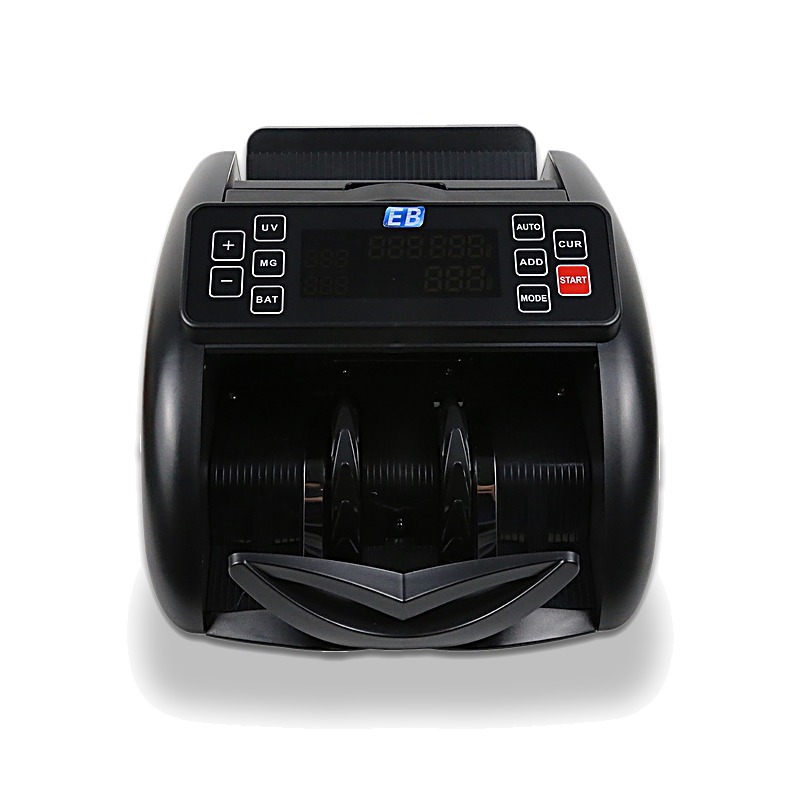
For a branch counter or back office, a compact automatic counter such as the LD-1000 covers the daily routine: 900 notes per minute, 130-note hopper and stacker, UV, MG and width detection, batch and cumulative count up to 999, half-note, chained-note and double-note rejection, in a 280×225×160 mm body weighing 5 kg.
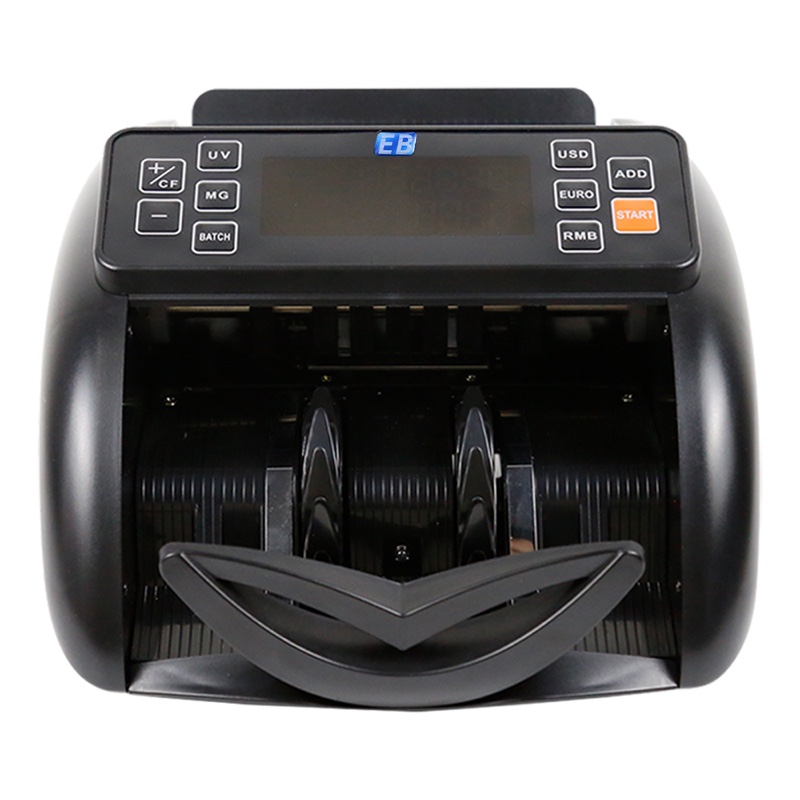
Where mixed-value deposit bags or euro counters are the norm, a value-counting machine such as the LD-1100 adds euro value counting on top of UV and MG detection, runs above 1,000 notes per minute and stays under 4 kg for a cashier desk.
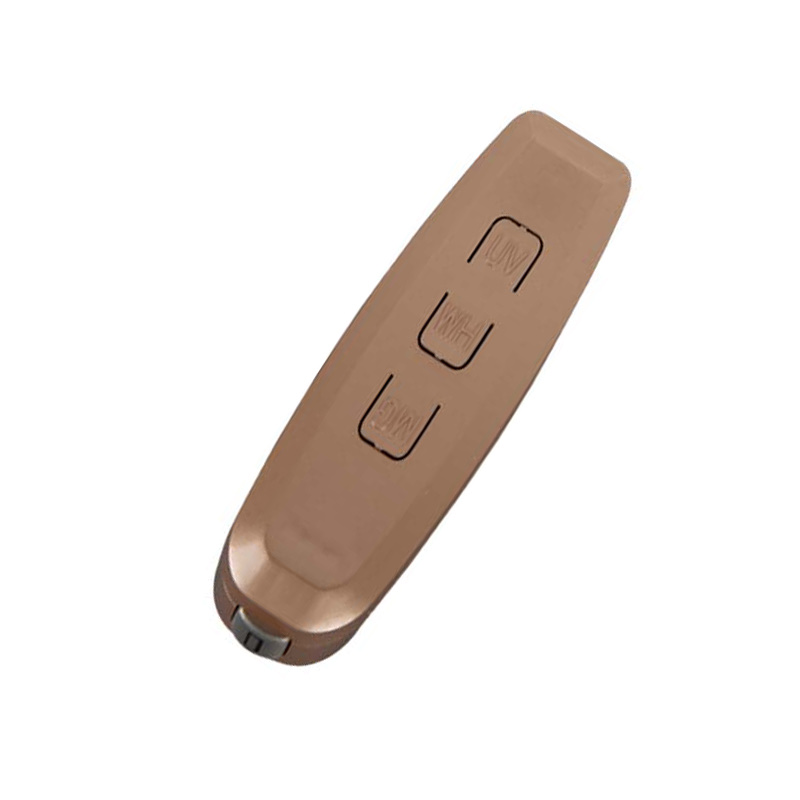
The third tier travels with you. A pocket detector such as the DC-158 — UV plus magnetic sensing, voice alert, USB rechargeable, 80×35×18 mm and 0.3 kg — verifies notes, cards, passports and IDs at the counter without any desk footprint. Small tools like this are also honest conversation starters: how a supplier builds a simple detector tells you a lot about how they build complex ones.
Work the Floor Like a Procurement Team
Book vendor meetings before travel instead of drifting between booths. Ask each supplier the same three questions and write the answers down on the spot: what detection does this machine actually perform, what does it output for reconciliation, and what documentation exists for standard testing. If your question is why identical-looking machines reject different notes, our breakdown of the sensors inside a money counter, the ECB fitness rulebook and the new RBI, ECB and UK testing obligations will put every sales pitch on the floor into context before you even arrive.
Honest Note on Easy-Banker Attendance
We cannot confirm Easy-Banker booth presence at any of the editions above, and this article is not an invitation to assume one. What we can offer is direct: if you are a distributor, bank, CIT operator or retail-chain buyer attending any 2027 edition, message us before you travel. We will arrange a factory visit and a live demonstration on your own currencies and note conditions — which beats any ten-minute booth conversation — or set up a meeting wherever we are actually exhibiting that year. The end-of-shift reconciliation routine page shows how our printers, exports and reject pockets are meant to be used in practice.
Bottom Line
The 2027 calendar is public, the travel budgets are being drafted now, and the buyers who arrive with a written spec sheet negotiate better than the ones who arrive with a badge. Start from the confirmed dates above, build the requirement list, and talk to us about what your counter, detector or sorter should actually do before you fly anywhere to compare one.
CKEDITOR.replace('Content', {'language':'zh-cn'});